

led bathroom wall mirror
Understanding Small Hole Gauges An Essential Tool for Precision Measurement In the world of manufacturing and engineering, precision is paramount. One of the key tools that facilitate accurate measurement in tight spaces is the small hole gauge. Designed specifically for measuring small diameters and depths, small hole gauges are essential for ensuring quality control in various applications, from automotive parts to aerospace components. What is a Small Hole Gauge? A small hole gauge is a specialized measuring instrument used to assess the diameter of small holes and the depth of pockets or cavities. These gauges come in various designs, but typically, they consist of a tapered rod or a set of rods that can be inserted into the hole. The diameter is then measured either directly from the gauge itself or compared against a calibrated scale. The most common types of small hole gauges include plug gauges, taper gauges, and go/no-go gauges, each designed for specific measurement requirements. For instance, plug gauges are often used to determine whether a hole meets certain diameter specifications, while go/no-go gauges provide a quick means of checking for compliance within specific tolerances. Applications in Industry Small hole gauges find applications in numerous industries. In the automotive sector, they are used to measure the fuel injector holes and valve guides, ensuring that precision is maintained for optimal engine performance. In aerospace, where weight and strength are critical, these gauges help assess holes in airframes and engine components, where even the slightest deviation can lead to catastrophic failures. Moreover, small hole gauges are vital in the manufacturing of medical devices, where the design often incorporates intricate parts requiring precise hole measurements to ensure proper functioning. Even in electronics, small hole gauges are used to verify dimensions in circuit boards and connectors, underscoring their versatility across different sectors. small hole gauge How to Use Small Hole Gauges Using a small hole gauge is relatively straightforward, but it requires a steady hand and a keen eye. To measure a hole, the gauge is inserted into the opening, and the user feels for a snug fit. If the gauge fits too loosely, the hole may be oversized; if it fits too tightly, the hole may be undersized. Once a suitable gauge is found, users can often read the size directly marked on the gauge. For tapered gauges, the point at which resistance is felt quantifies the hole's diameter. After obtaining the measurements, documenting them accurately is crucial, particularly in regulated industries where compliance must be proven. Advantages of Small Hole Gauges One of the primary advantages of small hole gauges is their simplicity and efficiency. They allow for quick checks in a variety of environments, eliminating the need for complex electronic measuring tools in many cases. Lightweight and portable, small hole gauges can be easily transported to various work sites, making them excellent for fieldwork. Additionally, these gauges are typically more cost-effective compared to advanced digital measurement tools, making them accessible for small businesses and startups. Despite their low cost, they can provide high accuracy, particularly when used by skilled operators. Conclusion In conclusion, small hole gauges play a crucial role in ensuring the quality and precision of products across diverse industries. Their straightforward design, versatility, and effectiveness make them indispensable tools for engineers and manufacturers alike. As industries continue to push the boundaries of innovation, the importance of reliable measurement tools like small hole gauges cannot be overstated. Whether for routine checks or critical quality assessments, these gauges remain foundational in achieving precision in manufacturing processes.
about
led bathroom wall mirror
Understanding Threaded Ground Anchors Applications, Benefits, and Installation Threaded ground anchors, also known as helical anchors or screw anchors, have gained significant popularity in various civil engineering and construction applications. These innovative foundation solutions provide a reliable means of anchoring structures in a diverse range of soil conditions, thanks to their unique design and functionality. In this article, we will explore the key concepts surrounding threaded ground anchors, their benefits, and the installation process involved. What Are Threaded Ground Anchors? Threaded ground anchors are cylindrical steel shafts with helical fins (or blades) attached to their length. This design allows them to be screwed into the ground, transferring tensile and compressive loads to the soil effectively. The anchor's helical shape facilitates easy penetration into the ground, making installation quicker and less disruptive than traditional foundation methods. Applications of Threaded Ground Anchors These anchors have a wide array of applications across various sectors 1. Residential Construction They are often used in residential projects for house foundations, where they provide critical stability, especially in areas with expansive or unstable soils. 2. Commercial Projects In commercial construction, threaded ground anchors help secure structures such as signs, fences, and retaining walls, offering a robust solution to minimize settlement and movement over time. 3. Seismic and Wind Load Resistance Buildings in seismic zones or areas prone to high winds can benefit significantly from these anchors. They help in stabilizing structures by anchoring them firmly to the ground. 4. Slope Stabilization In geotechnical engineering, threaded ground anchors are used to stabilize slopes, hillsides, and embankments, preventing erosion and landslides. 5. Marine and Waterfront Applications In marine environments, they can be utilized for mooring systems and stabilizing structures against water erosion. Benefits of Threaded Ground Anchors There are several advantages that threaded ground anchors offer - Ease of Installation The installation process is typically quick and requires less heavy machinery compared to traditional methods. They can be installed in restricted spaces with minimal disturbance to the surrounding area. threaded ground anchors - Versatility These anchors can be used in various soil types, ranging from soft soils to solid rock, making them adaptable to different project requirements. - Cost-Effectiveness Their efficiency in installation can lead to significant cost savings, reducing labor and equipment expenses. - Load Capacity Threaded ground anchors have high load-bearing capacities and can be designed to handle specific loads, ensuring safety and compliance with engineering standards. - Minimal Maintenance Once installed, these anchors typically require little to no maintenance, provided that they are properly engineered and installed. Installation Process The installation of threaded ground anchors generally involves the following steps 1. Site Assessment A thorough site assessment is conducted to determine soil conditions and report any local regulations or requirements. 2. Design Implementation Based on the assessment, engineers design the anchor system appropriate for the project's specific load requirements. 3. Installation Using hydraulic machinery or hand-operated equipment, the threaded ground anchor is screwed into the ground to the required depth. 4. Testing After installation, load testing may be conducted to ensure the entire system meets safety specifications and design standards. 5. Final Adjustments Any necessary adjustments are made, and the site is prepared for the next phase of construction. Conclusion Threaded ground anchors represent a modern solution for foundation stability in varied applications. Their myriad benefits, including adaptability to different soil conditions, ease of installation, and cost-effectiveness, make them an ideal choice for engineers and contractors alike. As construction technology continues to advance, the role of threaded ground anchors as a fundamental anchoring solution in engineering projects is set to expand.
-

High quality industrial productsagement

High quality industrial products
View Details -

Meet the diverse needs of customers

Meet the diverse needs of customers
View Details -

Strict quality control

Strict quality control
View Details -

Top raw materials

Top raw materials
View Details -

Trusted supplier

Trusted supplier
View Details
Our application
news and information

y type strainer filter
Understanding Y Type Strainer Filters Importance and Applications In various industrial processes, t
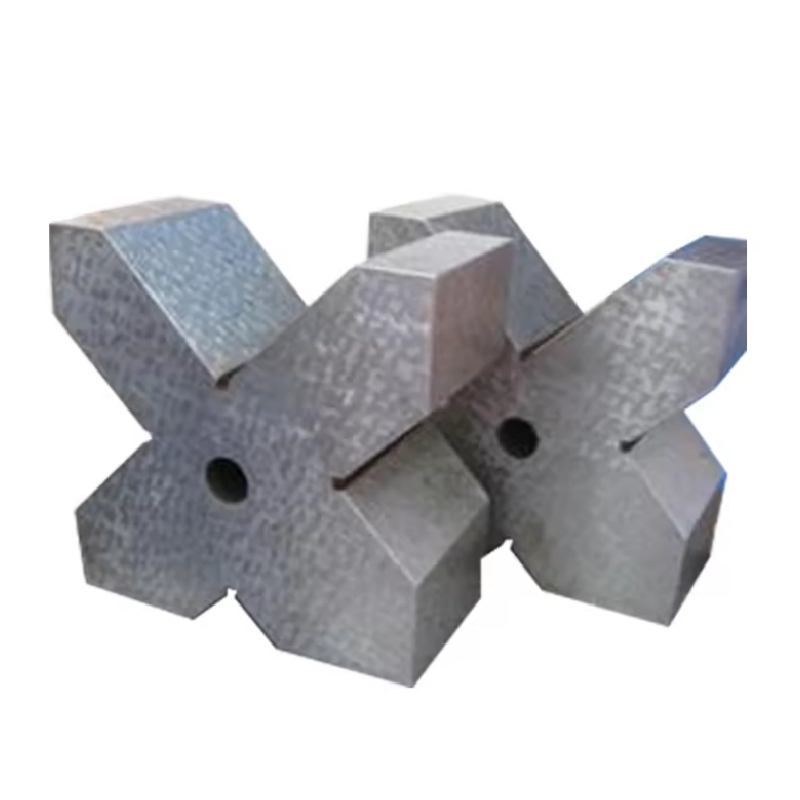
Y-Type Cast Iron Strainers for Efficient Fluid Filtration Solutions
Understanding Cast Iron Y-Type Strainers A Comprehensive Overview Strainers play an essential role i
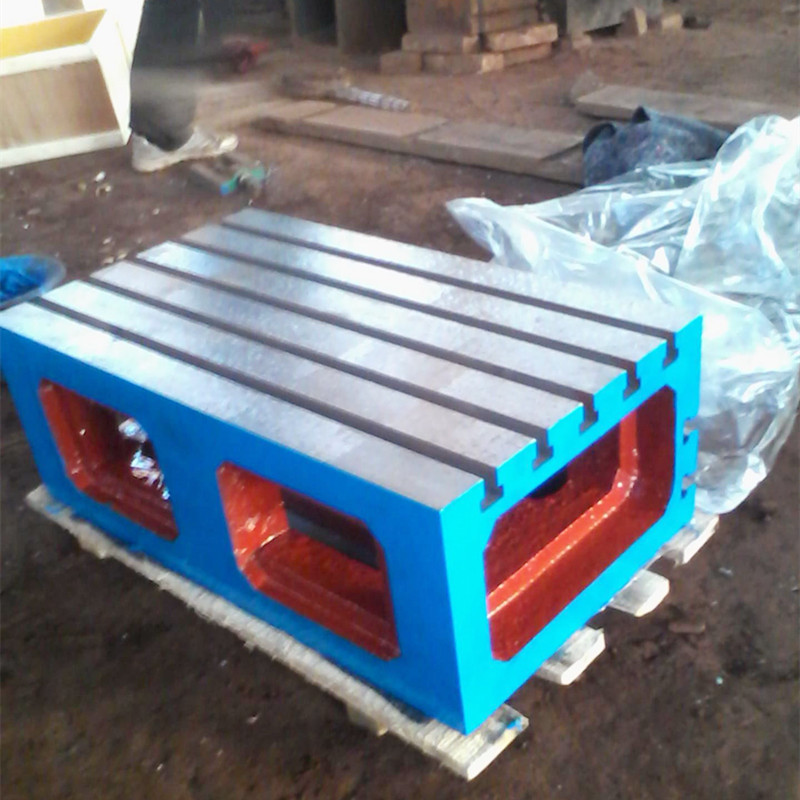
vibration pad manufacturer
The Importance of Vibration Pads in Industrial Applications In today's fast-paced industrial environ
 English